Watercolor Wildflowers: A Versatile Illustration for Creative Branding
As a brand designer and content marketer, I’m always on the lookout for graphic design assets that bring warmth, personality, and visual interest without compromising professionalism. Recently, I reviewed the Watercolor Wildflowers illustration set to determine its potential for use in upcoming campaigns. The results were promising, but with some important considerations.
First Impressions and Emotional Tone
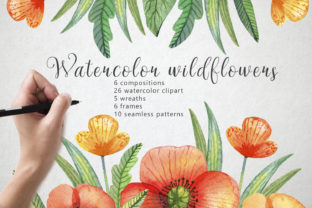
The moment I opened the Watercolor Wildflowers file, I was struck by the softness and natural flow of the design. It immediately evoked a sense of organic beauty, handcrafted charm, and a touch of whimsy. These are powerful emotional cues that can resonate well with audiences seeking authenticity and creativity.
This illustration doesn’t scream for attention like bold geometric shapes or high-contrast digital art might. Instead, it whispers—drawing the viewer in with gentle pastels and fluid brushstrokes. That makes it ideal for brands in lifestyle, wellness, floral products, artisanal goods, or seasonal promotions where a casual yet elegant aesthetic is key.
Practical Applications Across Marketing Channels
I tested Watercolor Wildflowers across several marketing formats to see how it would perform in real-world scenarios. Here’s how it stood up:
- Social Media Graphics: On Instagram posts and Pinterest pins, the illustrations added a dreamy backdrop that enhanced product shots of handmade items or natural cosmetics. The soft colors helped elevate the perceived value of the offerings.
- Website Headers: When placed subtly behind text in a hero section, the wildflower motifs created a welcoming first impression. They didn’t distract from the message but instead supported it with a warm, approachable tone.
- Packaging Inserts: For a small business launching a new line of herbal teas, the illustrations worked beautifully as decorative accents on inner packaging. They reinforced the “natural” angle of the brand while maintaining a premium look.
- Email Banners: In a promotional email for a spring sale, the illustrations were layered beneath the headline. This gave the campaign a fresh, seasonal feel and helped establish a stronger emotional connection with the audience.
- Canva Templates: When integrated into branded Canva templates for blog headers and social media covers, they allowed users to create consistent visuals quickly. The design felt modern enough for digital platforms but still retained its artistic soul.
Supporting Stronger Campaigns and Audience Trust
One of the biggest advantages of using Watercolor Wildflowers is how it supports visual hierarchy. Because the illustration has a soft texture and muted tones, it acts more like a background element than a focal point. This helps keep the main message clear and readable, which is crucial for effective brand communication.
In terms of audience perception, this asset leans toward a more creative, artisanal, and eco-conscious demographic. It's not aggressive or flashy, so it works best with brands that want to appear nurturing, thoughtful, and aligned with nature or craftsmanship. It can help build audience trust by suggesting quality and intentionality in design.
For small business branding, especially those selling handmade or organic products, this illustration brings an instant sense of care and creativity. It’s also great for creating a more memorable campaign because of its unique style—it stands out from the usual stock photography or flat vector designs.
Where Watercolor Wildflowers Shines
After placing the illustration in various contexts, I found that it excels in the following areas:
- Hero Graphics: Its delicate nature makes it perfect for subtle hero sections where you want to add visual interest without overpowering the call to action.
- Campaign Headers: When paired with a clean font and limited text, it enhances the overall mood of a seasonal or product launch graphic.
- Branded Templates: It adds a cohesive, thematic layer to content kits and design bundles used across blogs, newsletters, and social media.
- Promotional Banners: Especially for event flyers or posters related to botanical gardens, flower shops, or wellness retreats, the illustration feels right at home.
- Editorial Layouts: In magazine-style content or downloadable lead magnets, it provides a decorative touch that aligns with a relaxed editorial tone.
Use With Caution: Limitations and Best Practices
While Watercolor Wildflowers is a beautiful asset, it's not a one-size-fits-all solution. Here are some situations where I’d recommend using it carefully:
- Formal Corporate Branding: The whimsical style may clash with the structured and professional look expected in financial, legal, or tech industries.
- Dense Information Layouts: If your design includes a lot of text or data, the illustration could compete for attention and reduce readability.
- Small Mobile Graphics: At lower resolutions, the watercolor detail gets lost, so it’s best suited for larger formats like banners or printables.
- Low-Contrast Backgrounds: The muted tones won’t pop if placed over similarly soft backgrounds, so consider using it against white or darker shades for better visibility.
- Minimalist Brands: If your brand relies on ultra-clean aesthetics, these flowers might add unnecessary clutter. However, when used sparingly, they can enhance minimalism with a personal touch.
Pairing and Testing Tips for Designers
Here are my top recommendations for integrating Watercolor Wildflowers into your workflow:
- Test With Your Brand Palette: The soft hues work well with most color schemes, but ensure the contrast between the illustration and your brand colors is sufficient for clarity.
- Check Black and White Usage: While vibrant in full color, the illustration loses some of its charm in grayscale. Use it in monochrome only if necessary and adjust accordingly.
- Preview on Mobile Screens: Always review how it looks on smaller devices—especially in digital ads or social media stories where space is tight.
- Experiment With Fonts: The illustration pairs nicely with serif fonts for a classic feel, sans-serif for a cleaner look, and script/handwritten fonts for a more personal touch. Avoid using overly bold display fonts unless they’re large and dominant.
- Review Spacing and Balance: These flowers are detailed, so give them enough breathing room. Crowding them can make the design feel messy, especially in editorial layouts or text-heavy ads.
- Confirm Commercial Licensing: Before incorporating it into paid campaigns or client work, always verify that the commercial license allows for such usage. This is essential for any digital product or printable promotion you plan to sell.
Why It’s a Must-Have for Content Creators and Marketers
For content creators and digital sellers, Watercolor Wildflowers offers a ready-made way to inject warmth and creativity into their visual storytelling. It’s a go-to illustration for anyone needing design assets that feel authentic and inviting.
Whether you're designing a product label for a new skincare line or building a media kit for a blogger, this illustration gives your materials a distinctive edge. It’s particularly valuable in creative marketplaces where standing out visually is half the battle.
Final Thoughts for Brand Owners and Marketers
In summary, Watercolor Wildflowers is a versatile and expressive graphic design asset that can significantly enhance the emotional appeal of your marketing visuals. It’s best suited for brands looking to communicate a natural, artistic, or community-driven identity.
By thoughtfully placing these illustrations in your social media graphics, packaging design, or lead magnets, you can achieve a stronger first impression, improved engagement, and a more memorable campaign. Just be mindful of the context and test it thoroughly before finalizing any professional branding material.
If you're aiming for a creative design that balances artistry with usability, Watercolor Wildflowers is definitely worth adding to your toolkit. It’s a subtle but impactful way to connect with your audience and support your brand’s visual narrative.