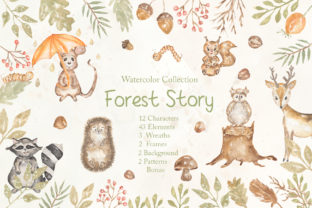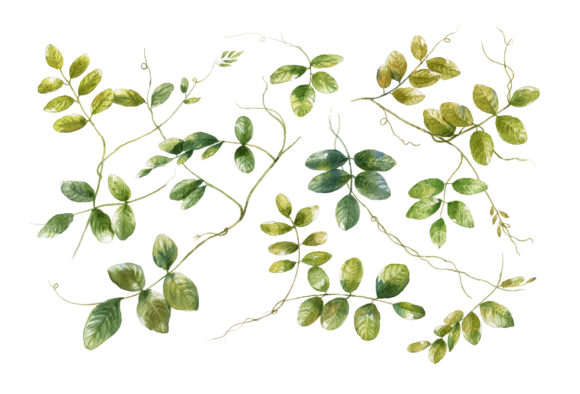
Natural Background Watercolor Illustrations
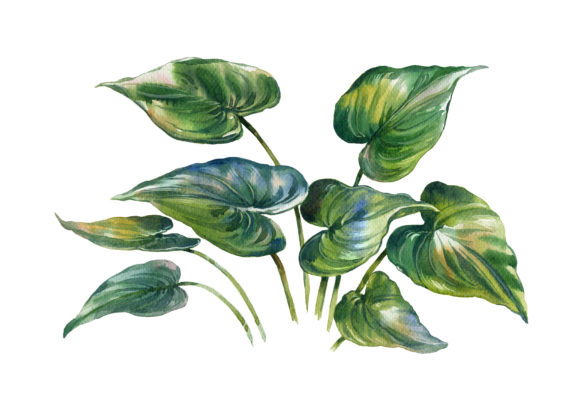
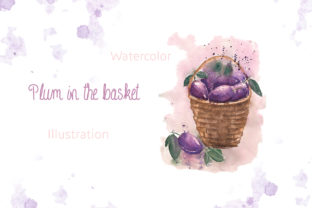
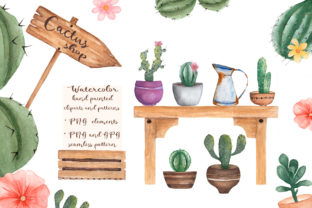
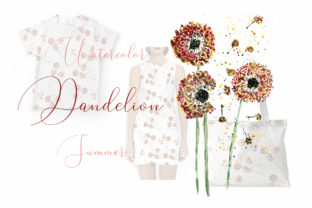
As a brand designer with years of experience, I've seen countless graphic design assets come and go. But one that consistently stands out for its versatility and charm is the Natural Background Watercolor. This illustration offers a soft, organic feel that can elevate a wide range of local business branding projects—from product packaging to social media graphics.
The First Impression: A Soft, Organic Mood
When I first encountered the Natural Background Watercolor, it immediately evoked a sense of calm and creativity. The watercolor texture feels handcrafted, making it ideal for small businesses that want to convey a handmade or artisanal vibe. It suggests a brand personality that's friendly, approachable, and slightly whimsical. This style works particularly well for food businesses, skincare brands, or boutique stores looking to create a warm, inviting image.
The softness of the background also makes it perfect for businesses aiming for an organic or eco-friendly brand identity. Whether you're designing for a bakery, a handmade soap company, or a florist, this illustration can help communicate your brand's values without being too bold or overwhelming.
Real-World Applications for Local Business Design
Natural Background Watercolor isn't just a pretty image—it's a powerful tool in real-world design scenarios. For example, when working on a product label for a small batch coffee shop, this illustration can serve as a subtle backdrop that adds visual interest without distracting from the main message. It’s also great for creating a cohesive brand identity across multiple touchpoints, such as packaging, marketing materials, and social media content.
This graphic design asset can be used in logo design to add a unique, artistic element that complements a more traditional logo. In packaging design, it can act as an accent or border, helping to differentiate your product on the shelf. For a handmade business, it could be part of a printable design used for thank-you cards, stickers, or even seasonal promotions.
It’s also useful in digital spaces. As a social media graphic, it can serve as a hero image for a campaign, or as a background for website banners. When paired with a clean font, it can enhance the visual hierarchy of a menu or price list, making information easier to read while maintaining an aesthetic appeal.
Supporting Business Presentation and Customer Trust
One of the most valuable aspects of Natural Background Watercolor is how it contributes to a stronger first impression. In a competitive market, having visually appealing design assets can make all the difference in capturing a customer’s attention. When used effectively, this illustration can improve product recognition and create a more consistent brand identity across all materials.
For a local business, this means better customer trust. A well-designed product label or packaging can signal professionalism and quality, which are essential for building long-term relationships with customers. It also helps with shelf appeal—especially in retail environments where consumers are often drawn to visually pleasing products.
Additionally, using this illustration can foster a stronger emotional connection between the brand and its audience. The soft, natural tones evoke feelings of comfort and authenticity, which can resonate with customers who value handmade or locally sourced products.
Where Natural Background Watercolor Shines
This illustration excels in situations where a gentle, decorative touch is needed. For instance, it works well as a product mockup background, allowing designers to showcase their work in a more engaging way. It can also serve as a decorative brand element in a boutique store or as part of a seasonal packaging design for holidays or special events.
On social media, it can be used as a campaign graphic that aligns with a brand’s aesthetic while still standing out in a crowded feed. It’s also effective in promotional ads, where it can add a layer of visual interest without overpowering the main message.
Where to Use It with Caution
While Natural Background Watercolor is versatile, there are certain situations where it may not be the best choice. For formal corporate branding, a more structured and minimal design might be more appropriate. Similarly, it shouldn’t be used on very small labels where the details might get lost or on crowded layouts where it could compete with important text.
It’s also not ideal for legal information areas or low-contrast backgrounds, where readability is crucial. Luxury minimalist brands may find the watercolor style too busy, and in any design where the decoration competes with key messaging, it’s best to simplify.
Practical Designer Notes
Before finalizing any use of Natural Background Watercolor, I always recommend testing it on real packaging mockups. Check how it looks in black and white to ensure it maintains its visual impact. Preview it on small labels to confirm that the details remain clear and legible.
It’s also important to test it with your brand colors to see how they interact. Compare it with competitor packaging to ensure it stands out while still fitting within your brand’s visual language. Review the print quality to avoid unexpected results, and inspect the PNG transparency if you plan to use it on different backgrounds.
If the asset is available in SVG format, check its editability to ensure it can be scaled without losing quality. Test it alongside various font styles—serif, sans serif, script, handwritten, and display—to find the best combination for your project. Finally, always confirm that the commercial license allows for use in client work, business branding, or physical product sales.
Conclusion: A Valuable Asset for Creative Entrepreneurs
Natural Background Watercolor is more than just an illustration—it's a practical design tool that can support a wide range of local business branding needs. Whether you're working on product packaging, social media graphics, or promotional visuals, this asset offers a soft, elegant look that can enhance your overall design strategy.
By understanding its strengths and limitations, creative entrepreneurs, marketers, and packaging designers can use it effectively to build a more professional, cohesive, and emotionally resonant brand presence. With careful consideration and proper testing, it can become a staple in your design toolkit for small business branding and beyond.